
How to Approach Painting Interior and Exterior Walls: A Comprehensive Guide
Painting walls is more than just a way to refresh your space; it’s an opportunity to transform the look and feel of your home. Whether you’re painting interior or exterior walls, understanding the purpose and process is key to achieving a professional finish. Let’s explore the why and how of painting both interior and exterior walls.
Why Do We Paint Interior Walls?
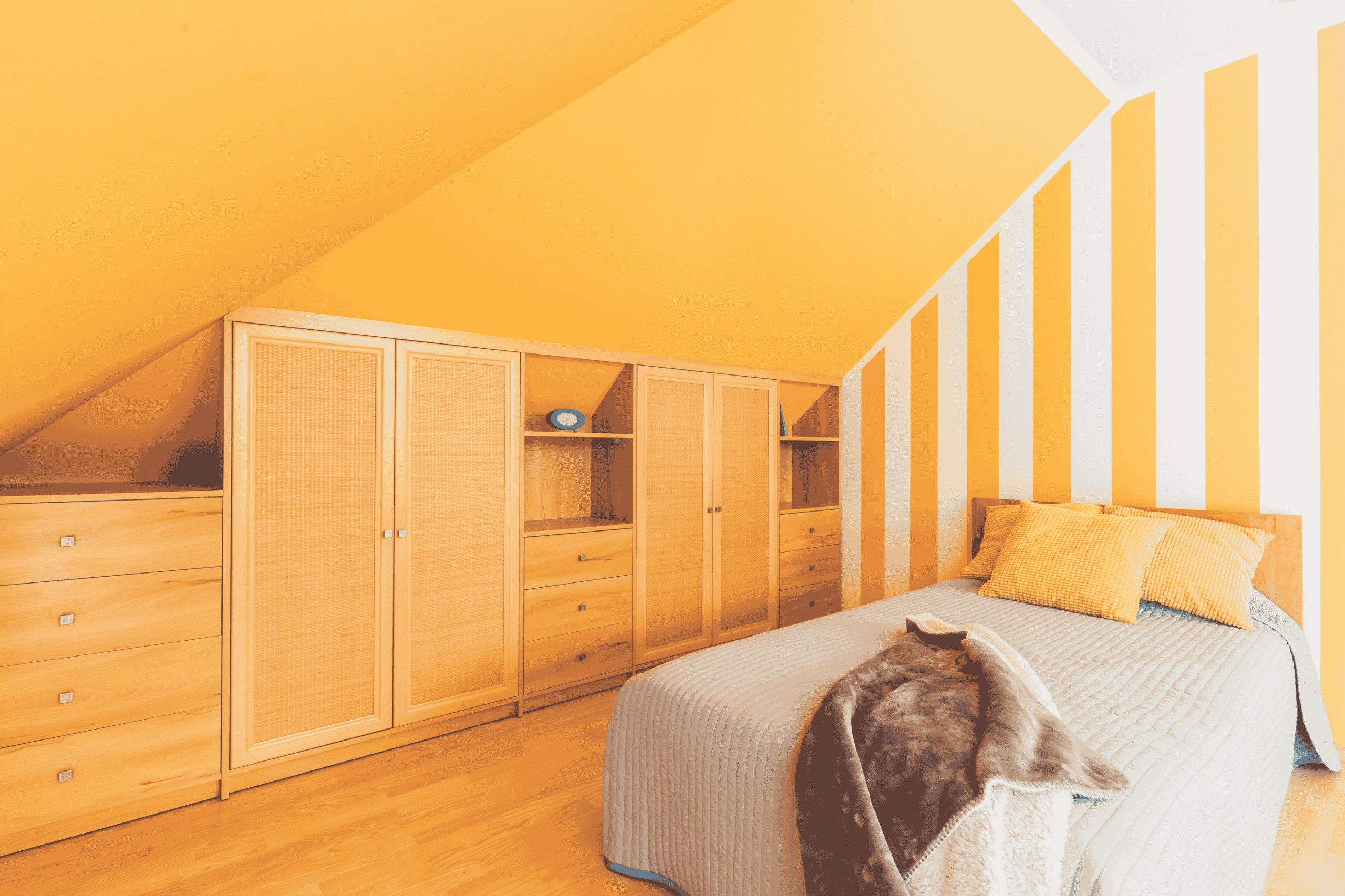
Add colour: Interior paint brings life to your walls. Choosing colours that complement your furniture, flooring, and curtains creates a cohesive and inviting space.
Create Texture: Textured paints or specialised rollers (like honeycomb rollers) can add depth and character to walls.
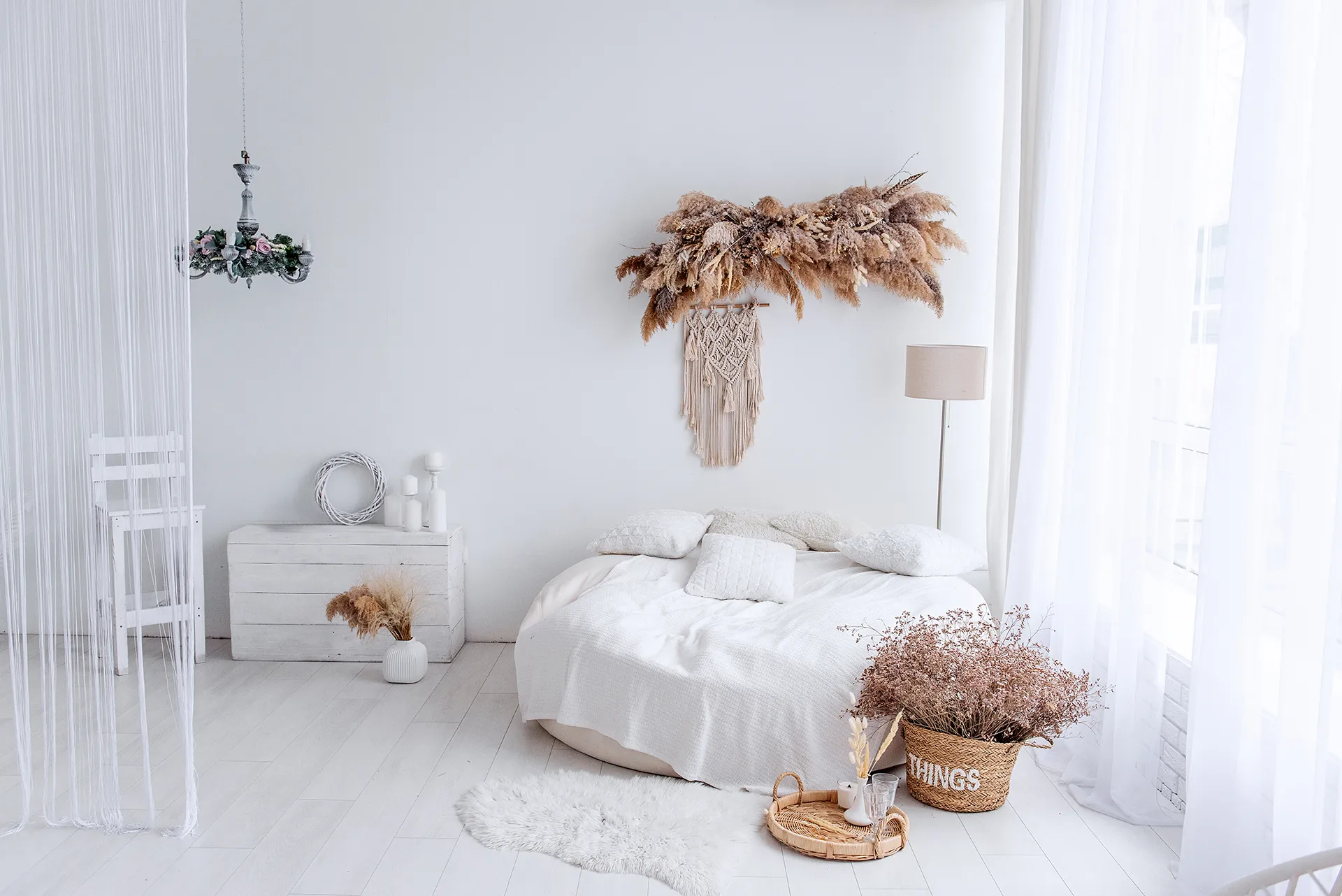
Regulate Temperature: Light colours can make rooms feel cooler, while warm tones add coziness in colder seasons.
Protect Walls: Painted walls are easier to clean and maintain, protecting them from stains and marks.
Why Do We Paint Exterior Walls?
Weather Protection: Exterior paint shields walls from harsh weather conditions, including rain, UV rays, and wind.
Enhance Curb Appeal: A fresh coat of paint boosts the visual appeal of your home, increasing its value.
Prevent Damage: High-quality exterior paint can prevent cracks and water damage, extending the lifespan of your walls.
How to Estimate the Amount of Paint Required
Measure the Wall Widths: Add up the widths of all walls you plan to paint.
Calculate the Surface Area: Multiply the total width by the height of the walls.
Account for Paint Coverage: Divide the surface area by the paint’s spread rate. For two coats, double this figure.
Step-by-Step Process for Painting Interior Walls
Choose the Right Paint Type
– PVA Matt: Offers a non-shiny, flat finish for low-traffic areas.
– PVA Sheen: Provides a shiny, washable finish ideal for high-traffic areas or homes with kids and pets.
Prepare the Room
– Ensure proper ventilation.
– Move furniture to the center and cover with drop sheets.
– Remove frames, hooks, curtains, blinds, and fittings. Place small items in a container.
– Mask off skirting boards, cornices, plugs, and switches.
Fix Wall Problems
– Fill cracks and small holes with crack filler.
– Scrape off flaking paint.
– Seal gaps around windows and doors with acrylic sealant.
– Apply a plaster skim to uneven surfaces and sand smooth.
– Clean the walls with a damp cloth and let them dry.
Apply Primer and Top Coat
– Stir plaster primer well and apply a coat of 3-in-1 primer. Let it dry overnight.
– Stir the PVA paint thoroughly.
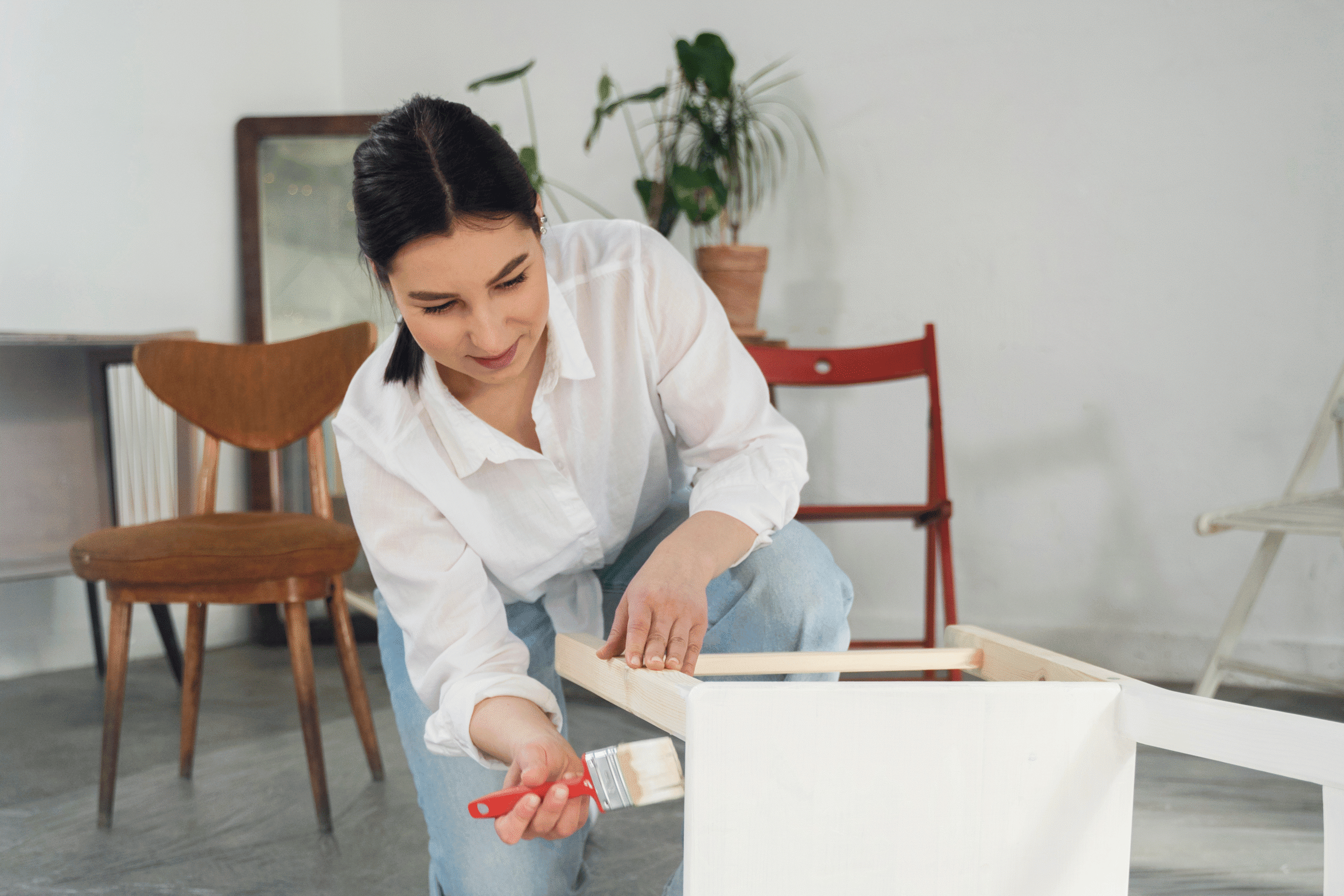
– Use a 75mm brush to paint edges, skirting, and cornices.
– Apply the top coat with a roller and let it dry for 4-6 hours before applying a second coat.
Clean Up
– Tightly seal paint and primer tins.
– Wash rollers and brushes with the appropriate cleaner (water for PVA, thinners for primer).
– Remove drop sheets and masking tape.
– Dispose of leftover paint responsibly; never pour it down the drain or in the garden.
Step-by-Step Process for Painting Exterior Walls
Prepare the Surface
– Wash the walls to remove dirt, mildew, and grease.
– Repair cracks and fill gaps with exterior-grade fillers.
– Sand rough areas and scrape off peeling paint.
Choose the Right Paint
– Opt for weather-resistant, UV-protected exterior paint for durability.
Apply Paint
– Start with a primer to ensure good adhesion and longevity.
– Use a roller for large areas and brushes for edges and corners.
– Apply at least two coats for optimal coverage.
Painting can seem daunting, but with careful preparation and the right techniques, you can achieve a flawless finish that lasts. Whether you’re tackling interior or exterior walls, following these steps ensures a professional result every time. Happy painting!